
Suicide Loss Support: Healing the Unspoken Grief
When a life ends by suicide, the world stops — not just for a moment, but in a way that changes everything.
The loss of someone to suicide carries a silence that words often can’t reach. It’s a grief layered with shock, guilt, anger, confusion, and love — all tangled together. At Soulful Support, we offer a compassionate, judgment-free space to help you untangle these emotions, understand your pain, and slowly begin to breathe again.
Understanding Suicide Loss
Grief after suicide is different.
It comes with questions that may never have answers — Why? Could I have done more? Did they know I loved them?
Psychologists call this “complicated grief,” a form of mourning where pain can feel stuck or cyclical. But even this type of grief can move toward healing with the right care, compassion, and patience.
At Soulful Support, we don’t focus on “fixing” the pain — we honor it. Together, we make room for sorrow, guilt, and even moments of love and memory that coexist within the heartbreak.
What Makes This Type of Grief Unique
The trauma of suicide loss can shatter your sense of safety and understanding. It challenges your beliefs, your identity, and sometimes even your faith.
You might feel isolated — as though no one else could possibly understand.
But you are not alone.
Healing starts when you can share your story in a space where it’s fully heard.
Our sessions allow you to:
- Express the unspoken emotions that feel too heavy to share elsewhere.
- Release guilt and self-blame with guided compassion.
- Rebuild emotional balance and self-compassion, one conversation at a time.
The Psychological Side of Suicide Loss
From a psychological standpoint, suicide loss triggers both grief and trauma responses.
Your nervous system can become overstimulated — switching between numbness and emotional overwhelm.
In our sessions, we use gentle grounding techniques and trauma-informed care to help:
- Regulate the body’s stress response.
- Create emotional safety.
- Restore a sense of stability and inner calm.
You don’t have to “get over it.”
But you can learn to live through it — with tenderness, love, and meaning.
The Healing Power of Ritual and Connection
Rituals can be healing bridges between pain and remembrance.
Lighting a candle, writing a letter, or planting something in memory of your loved one can create new pathways for connection.
We often integrate symbolic acts of remembrance in sessions — allowing your love to find new expression, and helping your heart begin to trust life again.
💚 Session Duration: 1 hour
💚 Price: $50
💚 Optional Reiki Add-on: $15 (15-minute distant session to support emotional release)
Spiritual Understanding and the Soul’s Journey
Many clients find comfort in exploring the spiritual side of suicide loss.
Though the pain of losing someone this way feels unbearable, there’s also a sacred opportunity to deepen your understanding of the soul’s journey.
In these conversations, we gently explore how love continues beyond the physical — and how forgiveness, both of self and others, can create peace that transcends loss.
Why This Work Matters
Suicide loss often leaves survivors in silence.
Friends may not know what to say. Society struggles with discomfort around the topic.
That’s why Soulful Support exists — to bring compassion into that silence.
You deserve a place where your grief is honored without judgment, where you can speak freely about what happened, and where you can begin to rediscover light, even after unimaginable darkness.
A Message from Chasity
“I’ve walked alongside many people who’ve experienced this kind of loss. What I’ve learned is that grief doesn’t need to be fixed — it needs to be felt safely.
My role is to hold that safety for you, to remind you that love never disappears — it just changes form.”
— Chasity Leonard, Certified Grief Support Practitioner & Reiki Healer
You’re Not Alone
You didn’t cause this.
You couldn’t have prevented it.
And you don’t have to carry it all alone anymore.
At Soulful Support, every story is met with kindness and every emotion has a place. Together, we’ll rebuild your connection with love, life, and yourself.
💚 Book your Suicide Loss Support session
→ Visit soulfulsupport.me
FAQ
1. How is suicide loss grief different from other grief?
It’s often layered with shock, guilt, and unanswered questions. Healing takes longer, and requires gentler, trauma-informed care.
2. What happens in a session?
Each session is conversational, compassionate, and fully confidential. You’re invited to talk, cry, reflect, or simply sit — however your heart needs to express itself.
3. Is it normal to feel angry or ashamed?
Yes. Anger, confusion, guilt, and shame are natural emotional responses to suicide loss. These emotions are safe to bring into our sessions.
4. What if I’m still struggling years later?
Grief has no timeline. Whether it’s been months or decades, your feelings are valid. It’s never too late to seek comfort and understanding.
5. Can I include family or friends in sessions?
Yes — shared healing can be powerful. You can choose individual or family-focused sessions, depending on what feels right.
-

The Soul’s Journey Through Loss: Finding Meaning Beyond Pain
Loss changes everything. It shakes your foundation, shifts your priorities, and makes the world feel unfamiliar. But grief isn’t just […]
-

The Healing Power of Being Heard: Why Empathetic Listening Transforms Grief
When you’re grieving, advice is everywhere. People tell you to “stay strong,” “keep busy,” or “move on.” Most mean well, […]
-
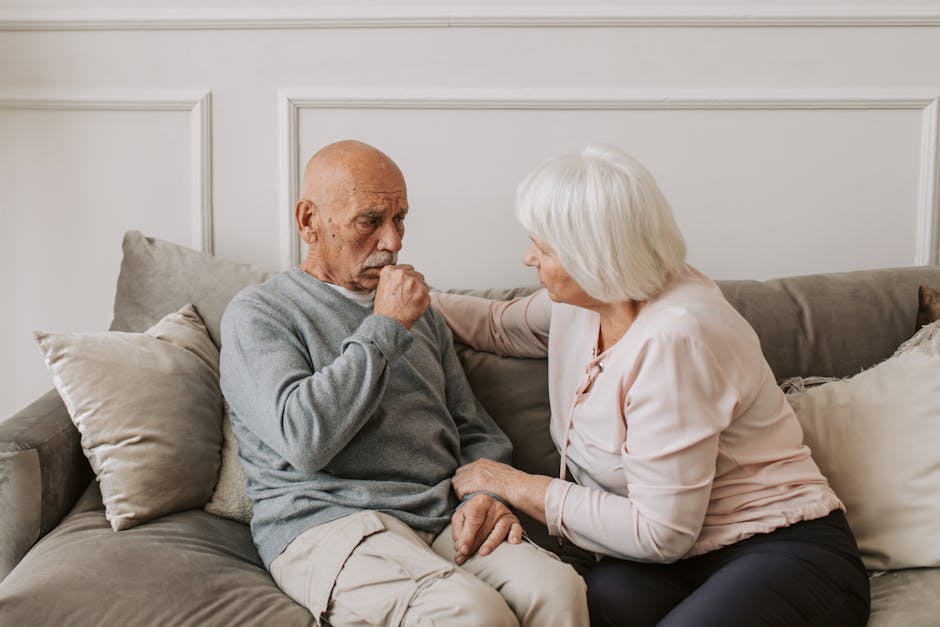
Supporting a Loved One with Terminal Illness: A Guide for Families
When someone you love is living with a terminal illness, time feels different. Days stretch with uncertainty, and moments that […]
-
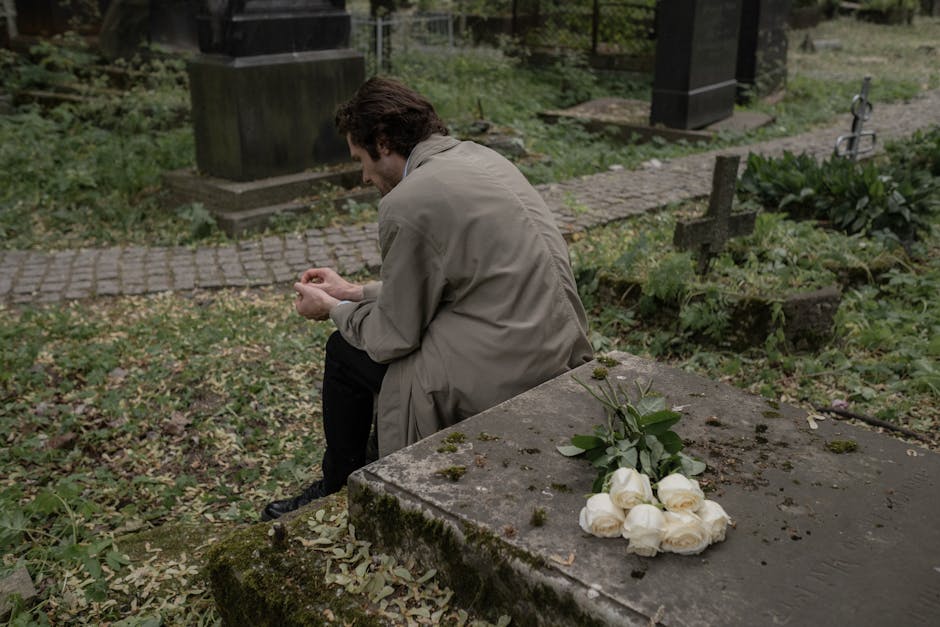
How to Support Someone After a Suicide: What Helps (and What Hurts)
⚠️ If you are in immediate danger or experiencing suicidal thoughts, call 988 (U.S.) or your local emergency number right […]