When you’re grieving, the world outside can feel unbearably loud. The phone keeps buzzing, the traffic keeps moving, and people go about their lives as though nothing has changed. But inside you, everything has changed. Grief makes ordinary spaces feel foreign — your bedroom, your kitchen, even your favorite chair no longer carry the same comfort they once did.
And yet, in the middle of loss, something beautiful can happen: you can carve out a space that holds you, supports you, and gently reminds you that healing is possible. This is what we call a sacred space.
The Power of Space in Healing
Think about how you feel when you walk into a cluttered room. Your mind feels heavy, distracted, restless. Now think about walking into a quiet garden, or a candlelit room where everything has been placed with care. The difference isn’t just physical — it’s emotional, even spiritual.
Our environments shape how we heal. They can amplify chaos, or they can nurture peace. For someone grieving, creating a sacred space is less about decorating and more about survival — it gives the heart a soft place to land.
What a Sacred Space Really Is
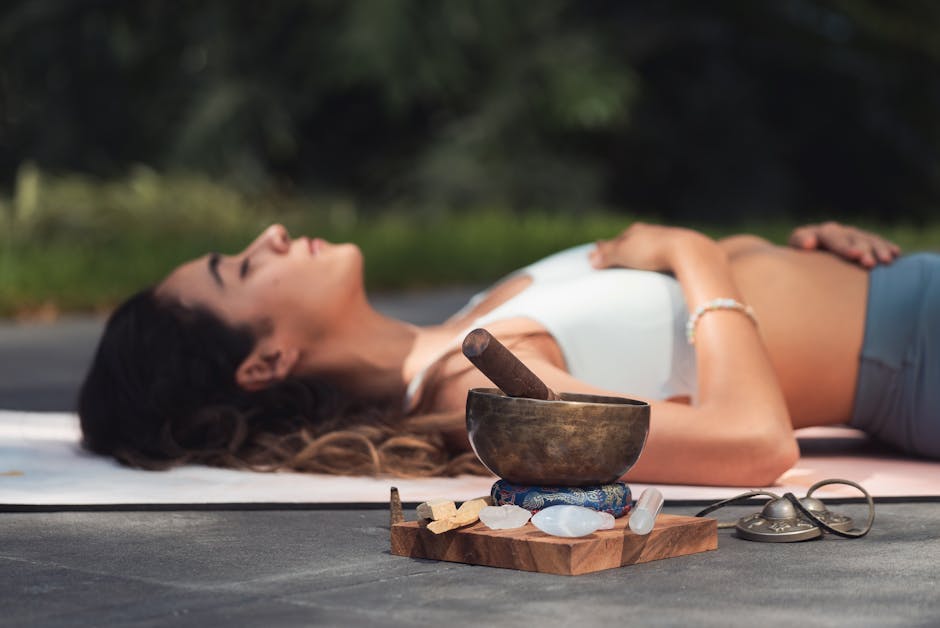
A sacred space doesn’t have to be a meditation room or a perfectly designed altar. It can be a small corner of your home, a shelf by the window, or a seat beneath a tree in your backyard. What makes it sacred is intention.
It’s a place where you can breathe. A place where you can cry without apology. A place where you can light a candle and say, “This moment belongs to my healing.”
How to Create Your Own Sacred Space
I remember one woman I worked with who lost her father. She transformed a simple corner of her living room into her sanctuary: a soft chair, a small photo of him, and a candle she lit every evening. She told me that even on her hardest days, she felt comfort knowing that corner was always waiting for her — a place to remember, to feel, to rest.
Your sacred space can be as simple or elaborate as you need it to be. Here are some ideas to guide you:
- Choose a spot that feels safe. It doesn’t have to be hidden, but it should feel private enough for you to let go.
- Bring in objects that comfort you. A blanket, a journal, photos, stones, flowers, or spiritual items.
- Engage the senses. A candle for light, incense or essential oils for scent, calming music or silence for sound.
- Keep it uncluttered. The less distraction, the more the space supports your focus and rest.
- Return often. Over time, your body will associate this space with comfort and healing.
Why It Matters
When grief feels overwhelming, control is often the first thing we lose. A sacred space gives a small sense of choice back to you. You decide how it looks, how it feels, and how you use it. It becomes a gentle reminder that while you cannot control loss, you can create moments of peace.
And those moments matter. They remind your nervous system to rest. They give you a safe channel for tears and reflection. They allow you to feel close to your loved one in a way that is private and personal.
Closing Reflection
Grief is not only carried in the heart but in the spaces we inhabit. By creating a sacred space, you’re not just arranging objects — you’re building a refuge. A place where healing doesn’t have to be rushed, where love is honored, and where your soul can slowly learn to breathe again.
So if the world feels too heavy today, clear a corner, light a candle, sit down, and let your sacred space hold you.